Evolving series · Last updated June 2026

Interactive Television Development and Showrunning: How to Produce Emerging Entertainment with Product Teams

Interactive TV is a new genre with its own grammar. The showrunner role for it doesn't exist in the standard org chart yet, so we keep inventing it.

Executive Summary

Interactive television is the slow merger of TV and product. The shape it takes depends on the platform: chat overlays and channel points on Twitch, branching narratives on Netflix and Prime, real-time polls on live news, shoppable moments inside live events, AR layers on linear sports. The common thread is that the audience is touching the content, and the touch changes what comes next. I've spent years programming the most interactive TV platform on the internet (Twitch) and developing original interactive formats inside Sony Pictures Television and a handful of streaming and creator-economy shops. The work sits at an unfamiliar seam: between writers, designers, engineers, and product managers, none of whom traditionally collaborate. The showrunner role for this kind of work doesn't exist in the standard org chart yet, so every successful interactive show I've seen has invented the role from scratch. This focus area collects the patterns that have started to repeat.

Developing an interactive format, an emerging-entertainment slate, or a new interactive surface? Let's get into the specifics.

Work with Chris

Interactive TV is its own genre

Branching narratives, chat overlays, channel points, real-time polls, second-screen voting, shoppable moments, AR overlays on live sports. Described one at a time, each reads as a product feature. Taken together, they're the early shape of a new genre with its own grammar and its own audience expectations. The platforms that ship interactive formats as "experiments" inside an otherwise linear lineup keep getting stuck on the same problem: the audience has no mental model for when to expect interactivity, so it goes underused. The platforms that commit to interactive as a programming pillar (Twitch being the longest-running example) build the audience habits that make the genre legible.

The showrunner role doesn't exist yet

A traditional TV showrunner owns creative direction. A traditional product manager owns the system. An interactive showrunner has to own both, plus the real-time data loop that tells you whether the interactivity is doing anything. None of the orgs I've worked inside had a role written that way when I joined. The successful interactive shows I've watched up close were all run by people who negotiated the scope of their job in real time, because nobody above them knew what to ask for. The practical move is to write the job description ahead of the hire, even if the role has to sit in two reporting lines.

Twitch is the longest-running experiment

Most of what I know about interactive TV comes from watching one specific platform operate the format at scale for a decade. Twitch has the most data on how interactivity changes viewer behavior (when chat works, when it doesn't, when channel points drive retention, when polls drive abandonment, when raids move audiences across the network, when subs convert). The lessons travel. Any streamer trying to add interactivity to a non-Twitch product can shortcut years of trial and error by studying what Twitch programmers already proved out. The lessons rarely come pre-packaged, so reading them out of the platform takes someone who's lived inside the operation.
Where I've Worked on Interactive Formats

  • Twitch
  • Sony Pictures Television
  • Amazon
Project Archive

Work from the archive

Project

Last Night’s Late Night – High-Speed Curation & Editorial Judgement

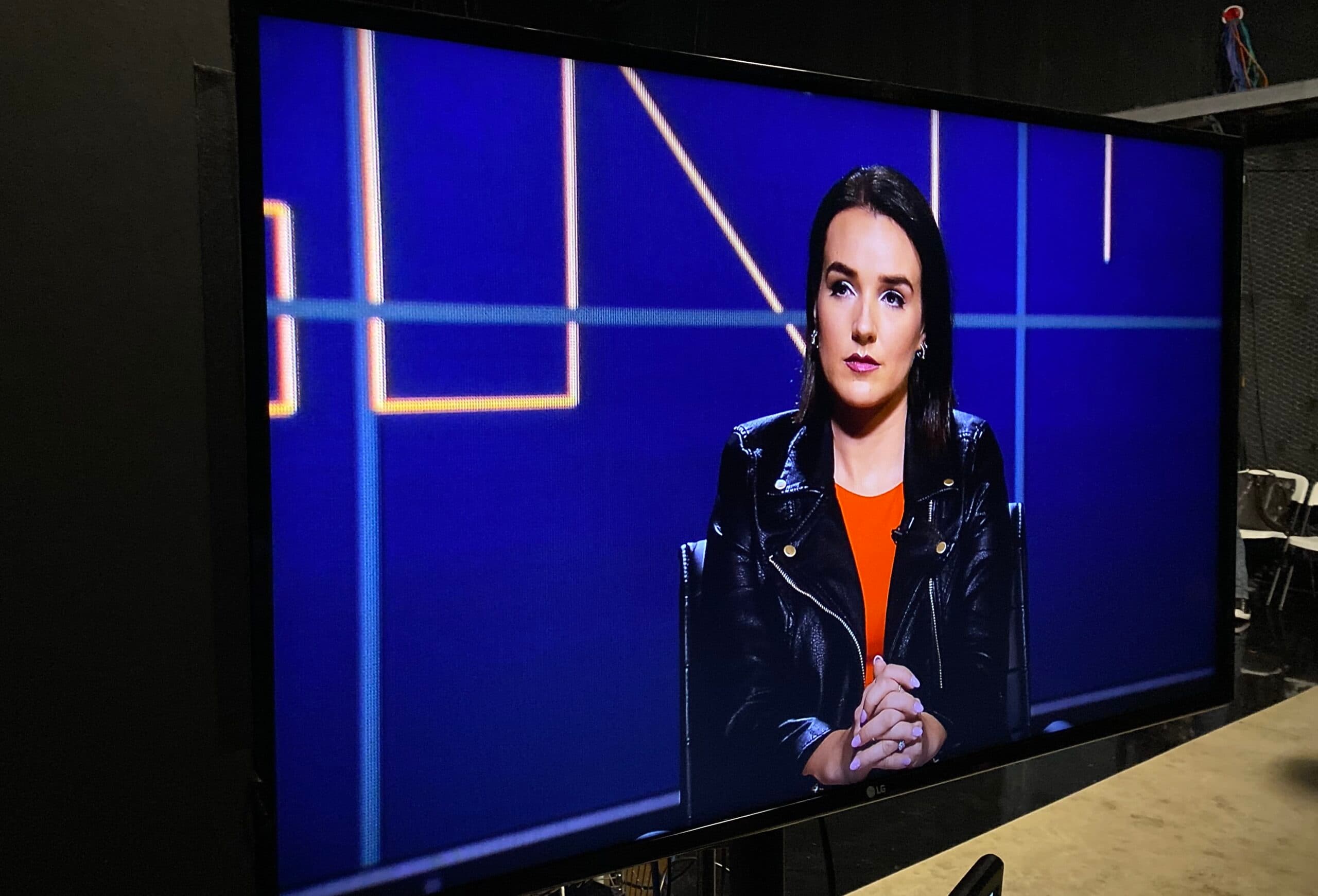
>1,000 minutes of content whittled down to the best 6 minutes in only a few hours. Last Night’s Late Night was a recap of late night that I developed and Executive Produced with Entertainment Weekly. We produced over 100 episodes of this daily short form clip show featuring the best of The Tonight Show, Conan, Kimmel, Colbert and dozens more. Our incredible host, Heather Gardner, who had to roll with the punches as we produced, improvised and taped her host wraps overnight until 2 a.m. The greatest technical feat of this daily show ( besides the fact that we produced this daily show during the 2020 pandemic in Heather Gardner’s house ) was a massive overnight curation effort. There were more than 20 late night shows back when we produced the show. A group of the latest shows (Carson Daily, Seth Meyers, Corden) aired around 1:30am PT and ended around 2:30am PT. And we needed to deliver the show in time for QC and ingest to air for east-coasters catching up on late night the next morning at 6am… 3am PT! Fast Editorial Operations Without Sacrificing High-Quality Human Curation Behind the scenes of the giant video wall where we could throw to clips. >1,000 minutes of content whittled down to the best 6 minutes in only a few hours. This is a unique problem of rapid and scaled editorial judgement. How could this be possible? From a technical perspective, we had to get access to east coast feeds of all the shows (which bought us a few hours) and record…

Read the full project
Project

TikTok’s Top 40 Trends of 2020 in a Curated Global Livestream

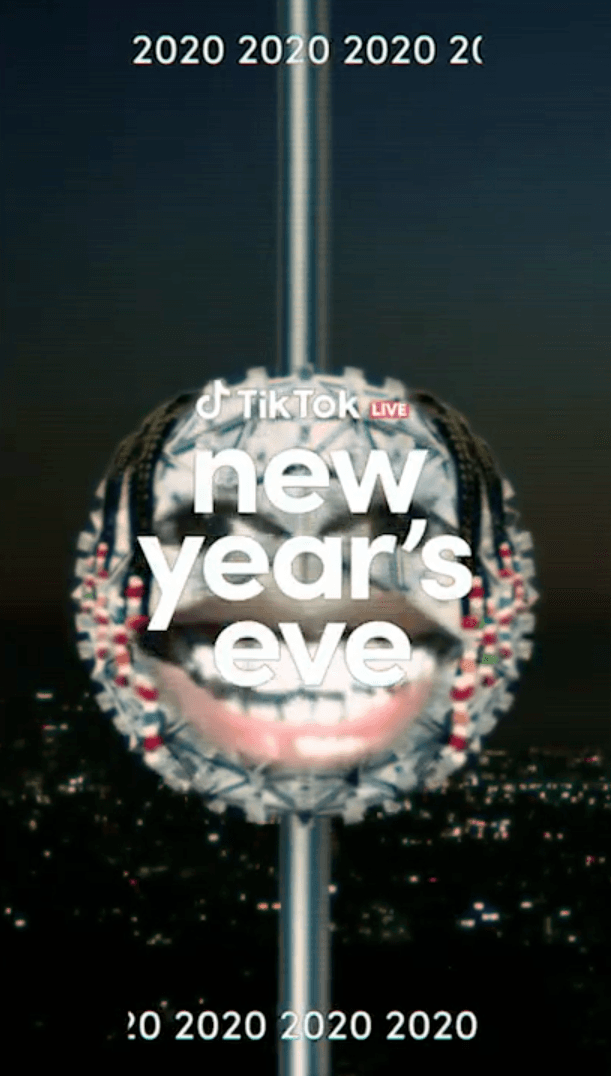
I developed and produced TikTok’s New Year’s Eve Countdown, hosted by Brittany Broski and Lil Yachty in 2020. This was a groundbreaking project in many ways: Biggest single-day TikTok live stream reaching over 7 million viewers Streamed live, globally in nearly 100 countries, for 4 hours leading up to the NYE countdown TikTok’s first internally commissioned outside-production live stream, particularly at this scale Featured >300 individual creators in musical performances, interviews, sketches and countdown montages Scaled curation of thousands of videos with cross-functional coordination In order to yield the >300 creators who made the final cut we had to curate and reach out to nearly 1,000 — and we only had 6 weeks before the show aired. I hired a team of curators who collected and labeled video and creator candidates by theme and trend. As each were pitched and approved by creative teams, we slotted them for outreach via Strategic Partnerships which looped the conversations back to our team to negotiate and finalize agreements and delivery.

Read the full project
Project

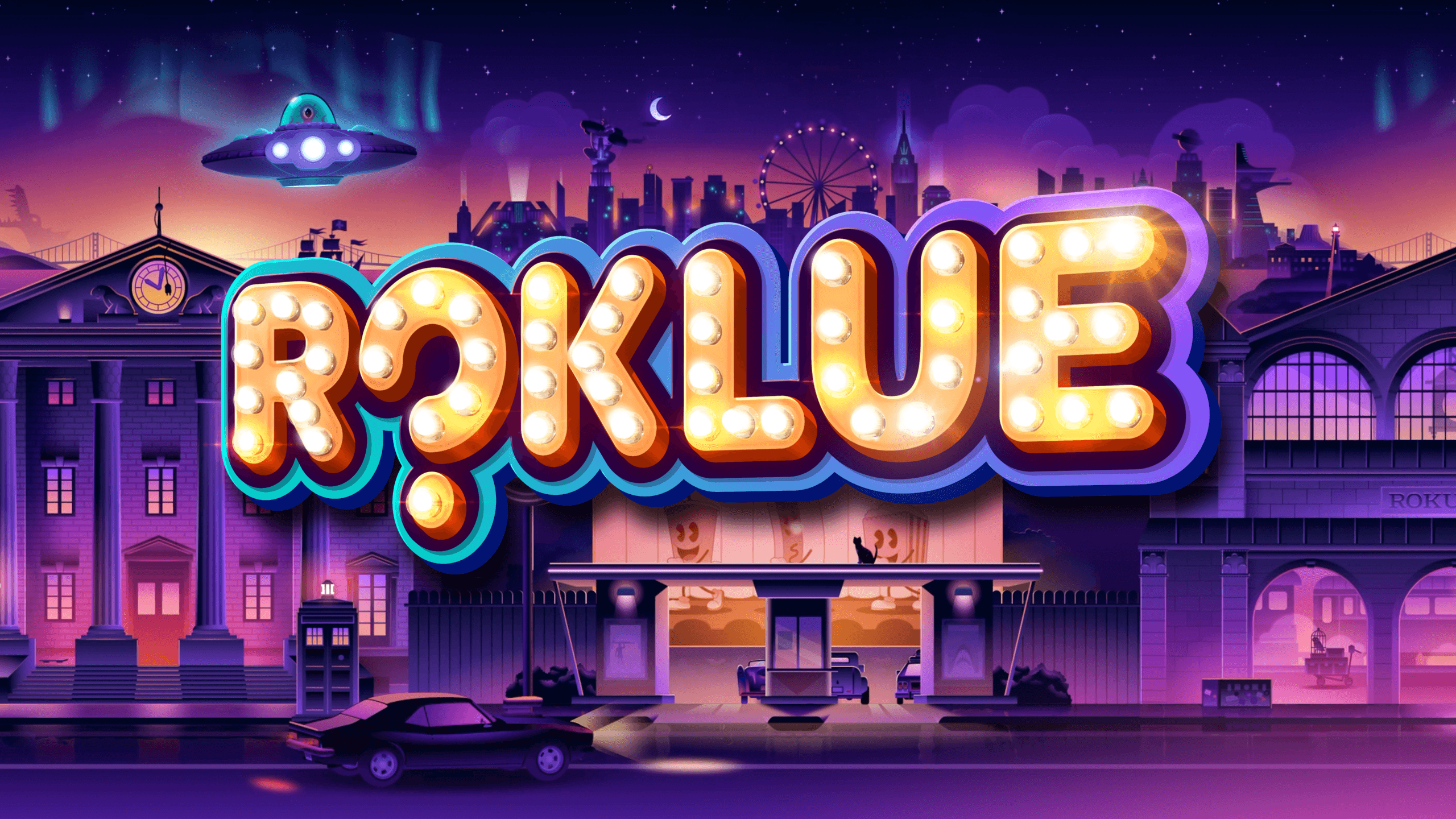
Roklue – Producing Interactive Living Room Content Experiences Embedded in Streaming Software

Roklue is an interactive game built directly into the Roku operating system. It launched in March 2026 with an Awards Season edition and reached roughly 90 million households. I served as executive producer and showrunner, working with B17 Entertainment, part of Sony Pictures Television. Here’s how it came together, from the problem it set out to solve through to a 20-episode series. The problem space: interactive, gamified merchandising Roku plays an amazing role in the streaming eco-system: as the biggest market-share TV OS, they are basically a master programmer that helps audiences across all of the streaming services — so they’re invested in all of the streaming businesses’ success and connecting viewers with the right content. When a viewer spends too long scrolling (aka decision fatigue), member health drops and frustration climbs, and there was evidence that a lightweight interactive experience could pull people out of that loop and back into watching. Roklue was designed deliberately for that moment. It’s short-form, so it’s fast. It pulls video from a range of streaming partners, so the act of playing doubles as merchandising — and it links players directly into the titles being clued. Its trivia is streaming-adjacent by design, built to get a viewer’s brain moving toward genres, titles, and moments worth watching. As Lisa Holme, Roku’s Head of Content put it, the goal is to “connect streamers to shows and movies in a way that makes discovery feel less like work and more like play.” Living room game design for engagement and retention Research I’ve done on interactive television repeatedly…

Read the full project
Project

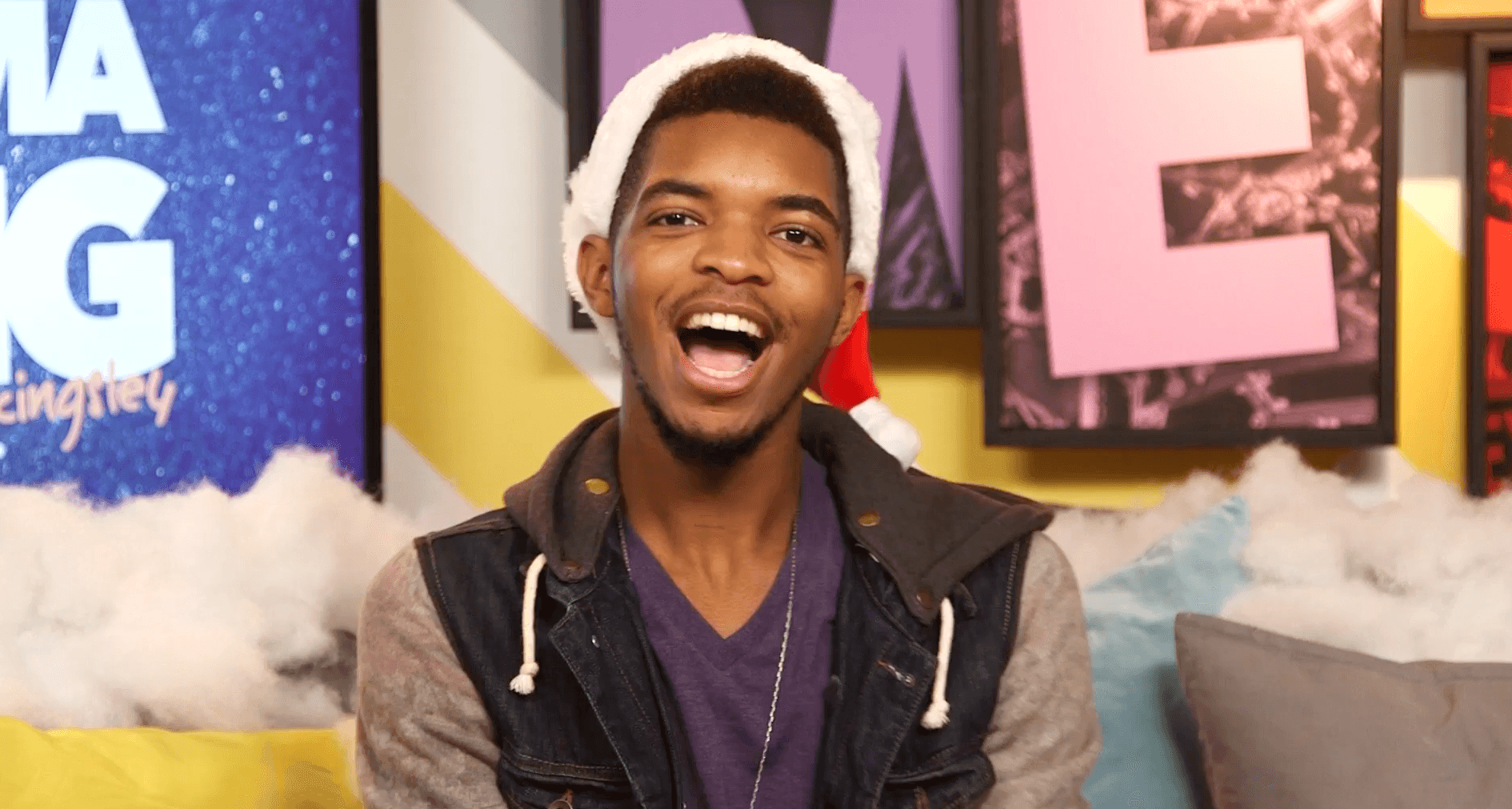
Creator Original Talk Show – Drama King with Kingsley

The first original talk show I made with a creator was Drama King, hosted by the incredible and iconic talent, Kingsley . We made 40 episodes and were lucky to book incredible guests: Quinta Brunson King Bach Smosh Shane Dawson iJustine Bella Thorne Grace Helbig Roi Wassabi Flula Miranda Sings Glozell Lucas Cruikshank Timothy DeLaGhetto DeStorm I served as showrunner, Executive Producer and Creative Director for Defy Media.

Read the full project
Project

Facebook’s Live Interactive Daily Game

Confetti was a game show where, finally, every viewer at home gets to be a contestant. It was a revolutionary interactive concept in the same category as HQ Trivia. People across the country could play the game synchronously, answer questions by tapping their phone and win real money if they survived all 12 questions. It was designed mobile-first, shot vertical and live streamed daily. We gave away more than $1M in prize money through the show. In 2017, I developed and produced the show for Facebook as part of my VP role at B17, a Sony Company. The most challenging and interesting part of the show was how we merged video with product. We had to: Coordinate our production and development timeline with a product roadmap Solve syncing and latency disparities so that people playing across the country in different bandwidths share a perfectly seamless experience Build a bespoke dashboard into a teleprompter so that the host could understand exactly when countdowns began and answers could be released Work with compliance teams to enable everyday Facebook users to become money-winning “contestants,” who are typically vetted much different for IRL game shows Overall, it required daily stand-ups with product teams, deep-dives with engineers and weeks of dogfooding the entire show end-to-end with an alpha product. In addition to developing the show, I was responsible for the audience development and community strategy which increased retention and engagement using Facebook’s native community tools and partnerships with Business Insider and Badabun.

Read the full project
Project

A Creator Original Based on Google Earth for YouTube

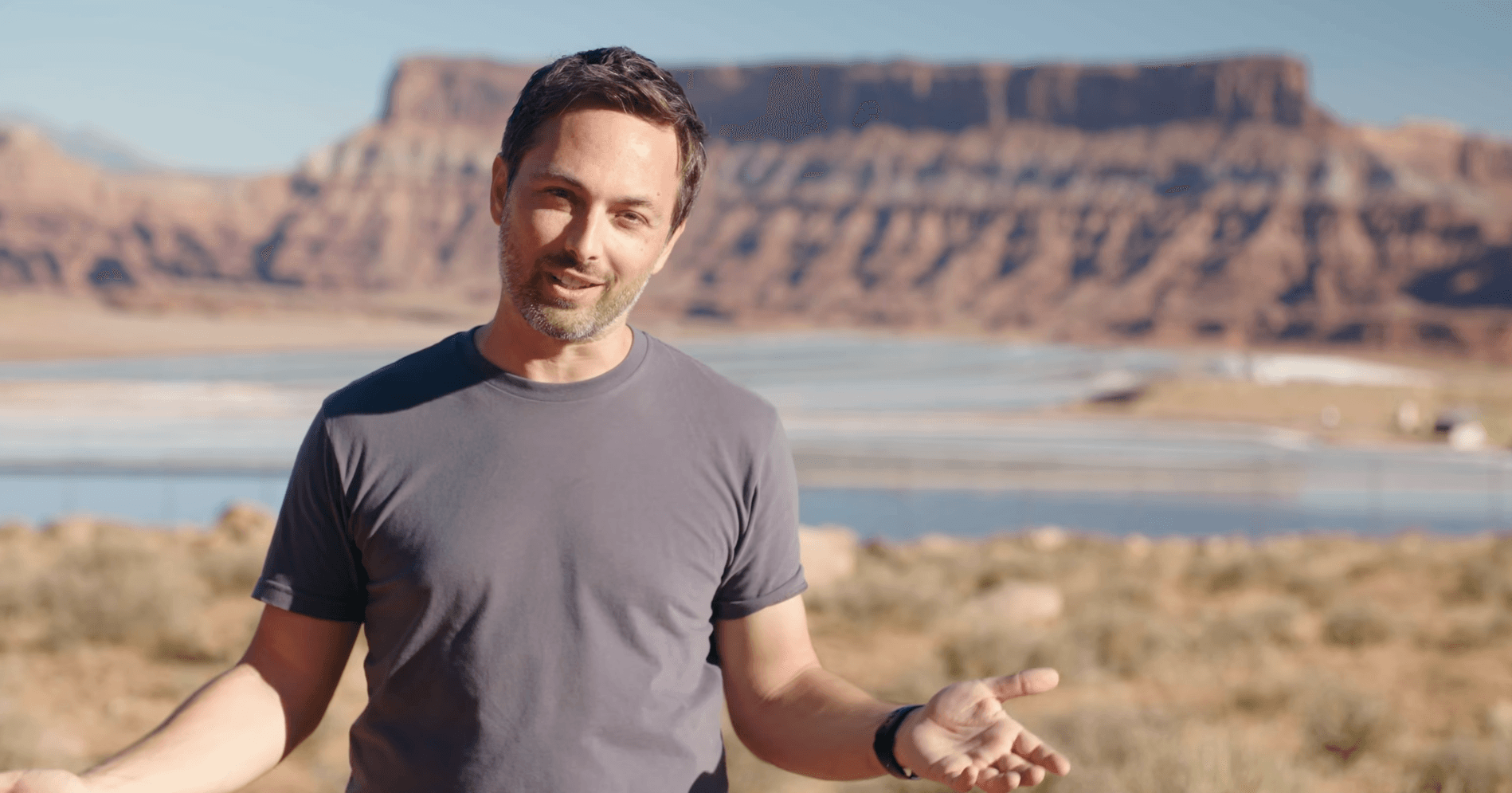
I developed and co-executive produced Pin Drop, a YouTube Original based around science creator and communicator, Veritasium . Google Earth is an interactive product that allows you to visually fly through any part of the world. Pin Drop investigates the mysterious images we can see from above by visiting them on the ground. Like these electric blue ponds that make a chemical that’s critical to human life…

Read the full project
Project

Celebrity Substitute for YouTube Originals

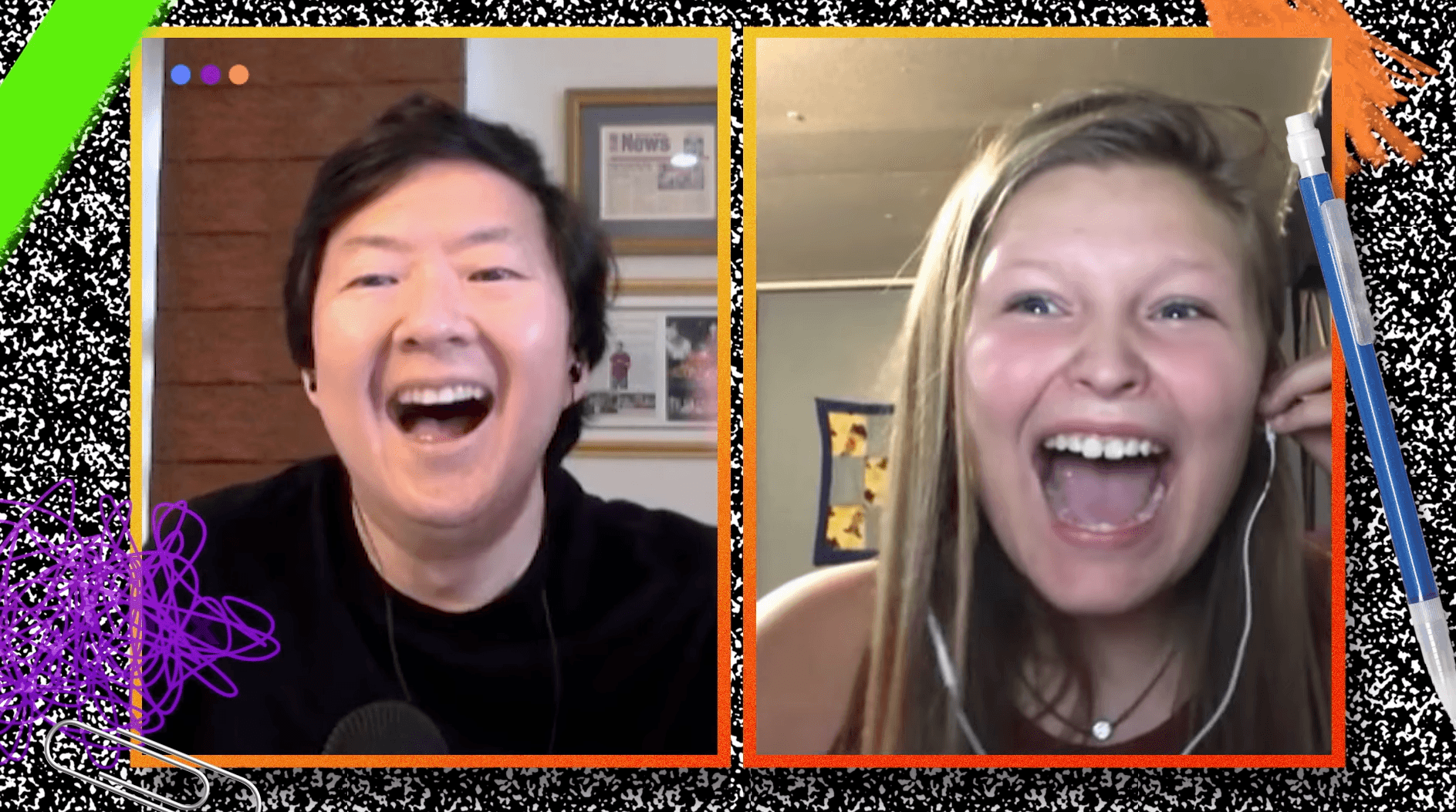
I developed and co-executive produced Celebrity Substitute for YouTube originals. During the pandemic, when teaching was extremely hard for educators, we surprised students and classrooms by letting a celebrity take over the lecture. We produced the show under strict and grueling Covid-19 protocols. I was literally directing celebrities over Zoom from my bedroom. I was lucky to work with: Ken Jeong Terry Crews Janelle Monáe Karlie Kloss Bill Nye Camila Mendes

Read the full project
Project

An Instant Home Studio for Penn Jillette

My first-ever legitimate producing credit is as Associated Producer of Penn Point with Penn Jillette. I was of course thrilled to make this show as a fan of Penn & Teller. Penn is incredibly prolific on his own but I assisted him with research and topic ideas. I programmed episode calendars, supervised edits, curated assets and managed uploads, merchandising and deployment. I produced over 100 episodes. Ryan Vance, the head of content at Revision3, had the brilliant idea of building a fully-automated studio in Penn’s house. All Penn had to do was press record on 3 cameras. The lighting, audio and framing was all pre-baked for him so he could just get into his flow. He’d overnight FedEx the cards from Vegas and we’d edit them in the Revision3 office for a quick turnaround given their topical nature.

Read the full project

Frequently asked

What counts as "interactive television"?
Any TV experience where the viewer affects what happens next. That covers the obvious cases (Twitch chat, channel points, polls, branching stories) and the less-obvious ones (shoppable live events, real-time co-viewing, AR layers on live sports, second-screen voting on competition shows). The unifying test is whether the viewer's input changes the content, the schedule, or the surface around the content. If yes, it's interactive TV.
Who runs an interactive show?
That's the open question. A traditional showrunner owns creative direction. A product manager owns the system the interactivity runs on. An interactive showrunner has to own both, plus the data feedback loop that tells you whether the interactivity is actually working. The role doesn't exist in any HR system I've seen, so the people who do it well usually negotiated it personally. The fix is to write the JD ahead of the hire, with the dual-reporting line built in from day one.
Why is interactive TV still a niche genre after 15 years of Twitch and 10 years of Netflix branching experiments?
Because the production model is fundamentally different and most TV studios aren't built for it. Interactive shows require writers, designers, engineers, and product managers in the same room, plus a tolerance for shipping iteratively the way software ships. Studios are still set up for linear creative development, where the script comes first, the production comes second, and the product layer is an afterthought. The studios that figure out how to flip that order will own the genre.

Looking for a partner on this?

Work with Chris